
Countries / Malawi
 Malawi
Agriculture. Opportunity. Biologicals.
Efficient, effective regulation, developed through innovation and collaboration with other countries.
Agriculture at the heart of the economy
The FAO describes Malawi’s economy as based on agriculture, with exports of tobacco, tea, sugar, cotton and coffee.
Malawi at a glance
- Capital: Lilongwe. Official language: English. Currency: the kwacha.
- Member of SADC, the Southern African Development Community.
- The Department of Climate Change and Meteorological Services’ outlook for 2026/27, issued 2 September 2026, gives a high chance of below-normal rainfall in central and southern Malawi and normal to above-normal rainfall in much of the north.
Crops and exports
The FAO lists maize, rice, wheat, cassava, sorghum, pulses and groundnuts among the main food crops, and names tobacco as the main cash crop. See Crops and markets.
Irrigation
The National Irrigation Policy 2024 aims to expand sustainable irrigation by at least 6,000 hectares a year, and the Shire Valley Transformation Programme is developing 43,370 hectares of irrigated land. See Priorities.
Regulation
The Pesticides Control Board registers pesticides under the Pesticides Act and its regulations, and the Pesticides (Amendment) Regulations, 2025 replaced the fee schedule. Confirm current requirements with the Board. See Regulation.
Why it matters for biologicals
The Alliance’s view: reliable water, better soils and local value addition all create room for locally made biological products, farmer training and practical field trials. These are opportunities for collaboration, not approved products or promised results.
- LandlockedRegional trade connections
- SADC + COMESARegional cooperation
- November to AprilMain rainy season
Major crops & agricultural exports
Maize & food crops
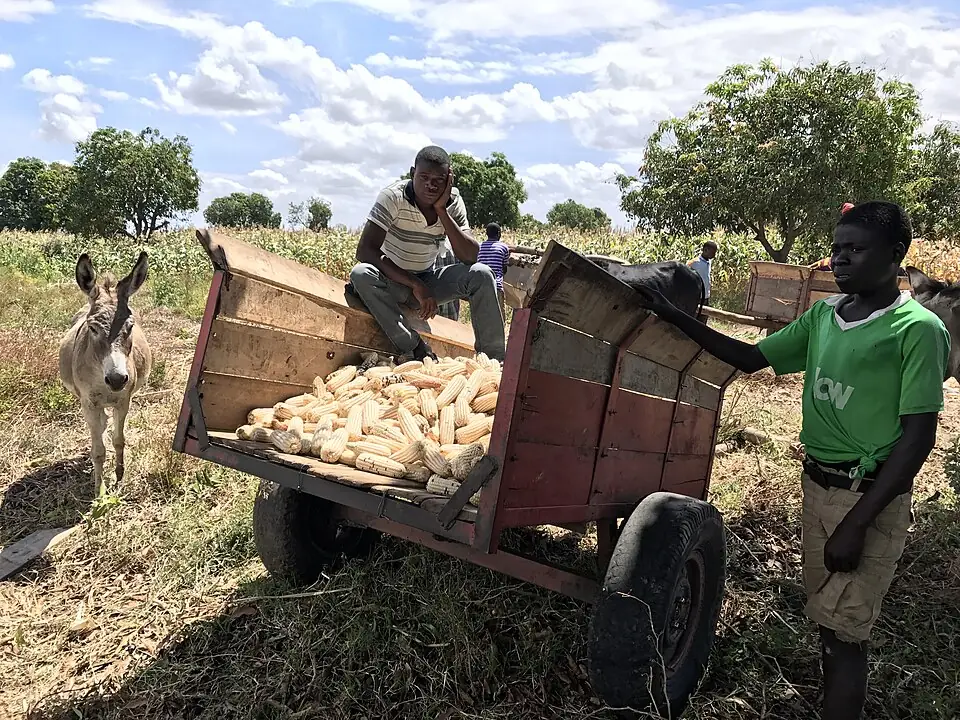
A key staple for food security and household incomes, alongside other cereals and roots.
Tobacco, tea & sugar
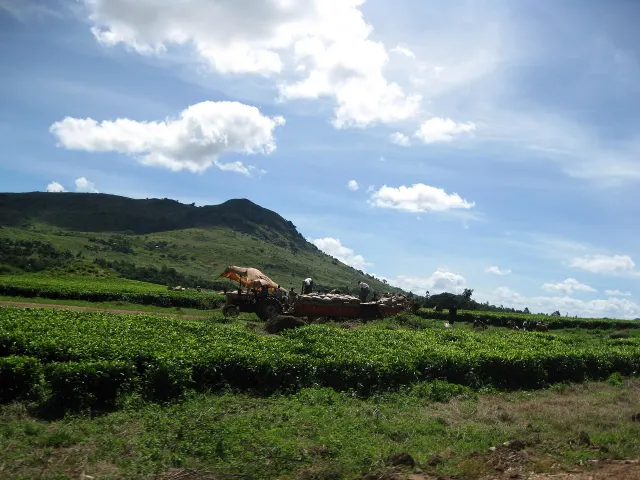
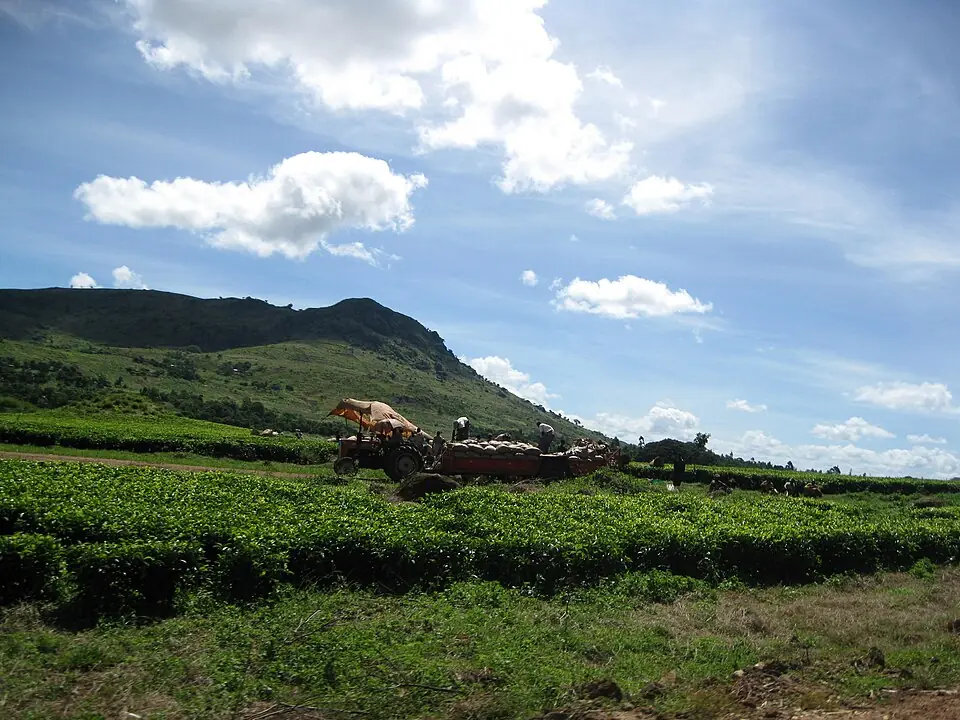
Established export crops that support rural livelihoods and agro-industry, with tea a major highland crop.
Legumes & oilseeds
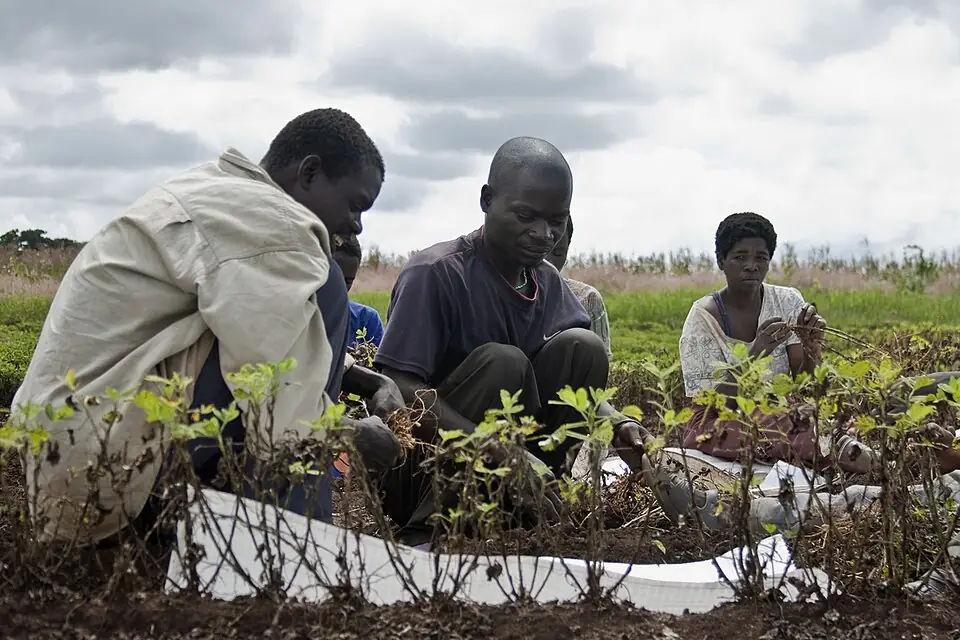
Important for nutrition, soil health and income diversification, including beans, groundnuts and soya.
Fruit & vegetables
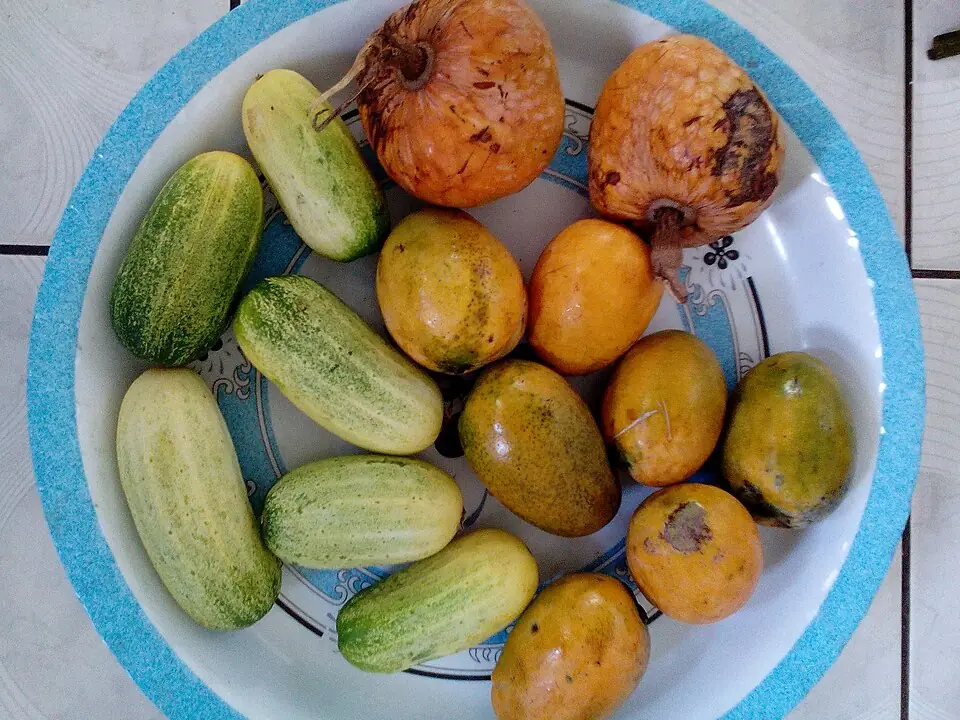
A growing area of production that supports better diets, local markets and value addition.
Share of Malawi’s total exports
| Product | Share of exports |
|---|---|
| ProductTobacco | Share of exports68.8% |
| ProductPulses | Share of exports15.4% |
| ProductGroundnuts | Share of exports3.7% |
| ProductTea | Share of exports2.7% |
| ProductSugar | Share of exports0.9% |
| ProductMacadamia nuts | Share of exports0.7% |
National priorities and framework
Where the sector is heading
Diversify production
Broader crop choices, stronger markets and local processing.
Expand irrigation
Increase reliable water access to reduce seasonal risk and support higher, more stable yields.
Build local value
Grow processing and other value-adding activities to create jobs and keep more value in Malawi.
Climate and seasonal outlook
2026/27 seasonal outlook
Central & southern Malawi
Drier seasonal outlook
Northern Malawi
Wetter seasonal outlook
Department of Climate Change and Meteorological Services, National seasonal climate outlook 2026/27 · 2026/27 season · issued 2 September 2026
Regulation and resources
BiopesticidesPesticides Control Board: registration and simplified assessment provisions.
The Pesticides Control Board regulates pesticide registration in Malawi. The Pesticides Regulations, 2023 provide for simplified assessment of lower-risk products, particularly biological, microbial and botanical pesticides. The Board may also accept relevant efficacy evidence from comparable agro-ecological conditions outside Malawi.
Applicants should confirm the current guidance, applicable fees and evidence requirements with the Board. Product approvals remain with the national authority.
Pesticides Regulations, 2023Biofertilisers & soil inputsNational policy supports organic and biofertilisers.
National policy supports organic and biofertilisers as part of stronger soil-health management. The appropriate regulatory route depends on the product’s composition, intended use and claims. Manufacturers should confirm the relevant classification, authority and current requirements before applying.
National Agriculture Policy, 2024Official guidance & resourcesOfficial documents for registration, amendments and national policy.
Consult the official documents below for pesticide registration requirements, recent amendments and the national agricultural policy. Check current forms and fees with the responsible authority.
Pesticides Regulations, 2023Pesticides (Amendment) Regulations, 2025National Agriculture Policy, 2024National seasonal climate outlook, 2026/27Photo credits
Photo: Papphase, public domain, via Wikimedia Commons

- Photo: Loes van der Pluijm (resized and converted to WebP), CC BY-SA 4.0 · CC BY-SA 4.0 licence · cropped for display
- Photo: Papphase (resized and converted to WebP), Public domain · cropped for display
- Photo: Swathi Sridharan (resized and converted to WebP), CC BY-SA 2.0 · CC BY-SA 2.0 licence · cropped for display
- Photo: Michaelphoya (resized and converted to WebP), CC BY-SA 4.0 · CC BY-SA 4.0 licence · cropped for display


