
Countries / Malawi
 Malawi: Crops and markets
- LandlockedRegional trade connections
- SADC + COMESARegional cooperation
- November to AprilMain rainy season
Major crops & agricultural exports
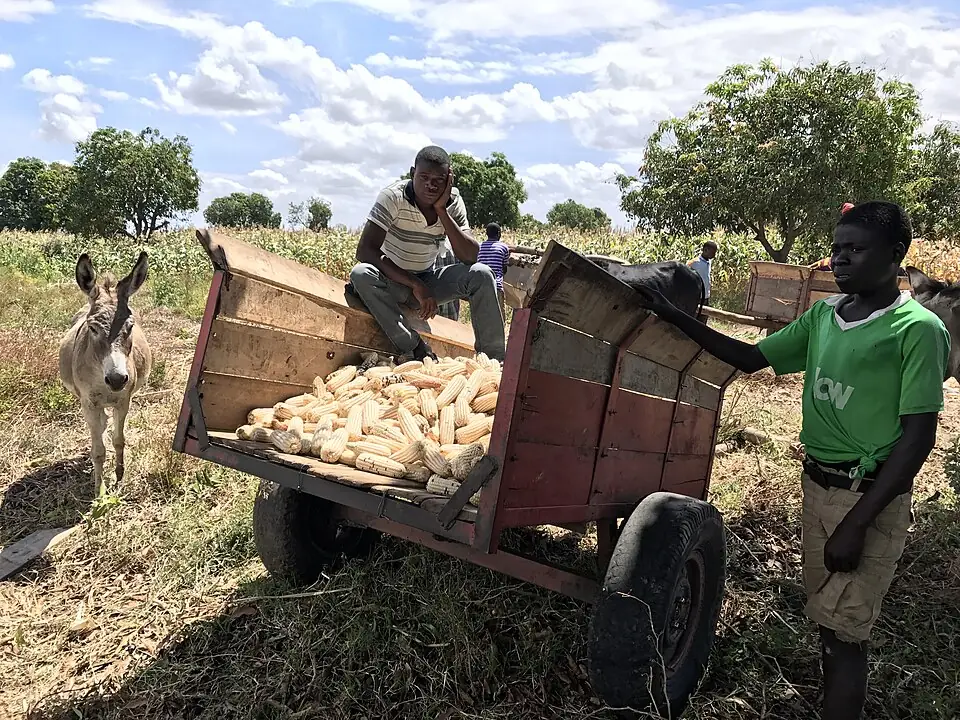
Maize & food crops
A key staple for food security and household incomes, alongside other cereals and roots.
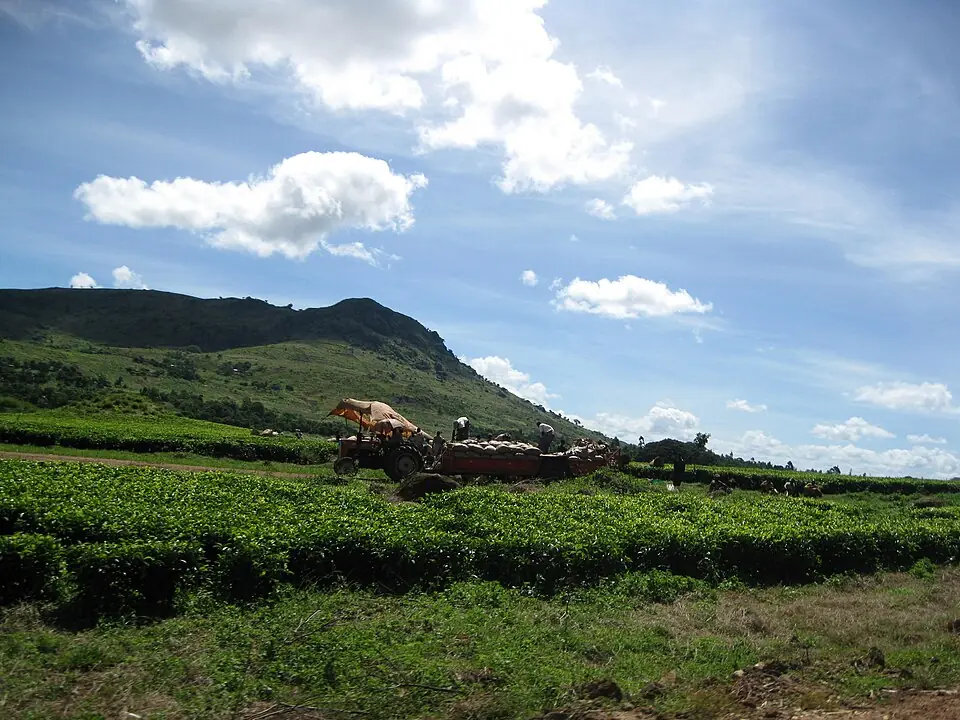
Tobacco, tea & sugar
Established export crops that support rural livelihoods and agro-industry, with tea a major highland crop.
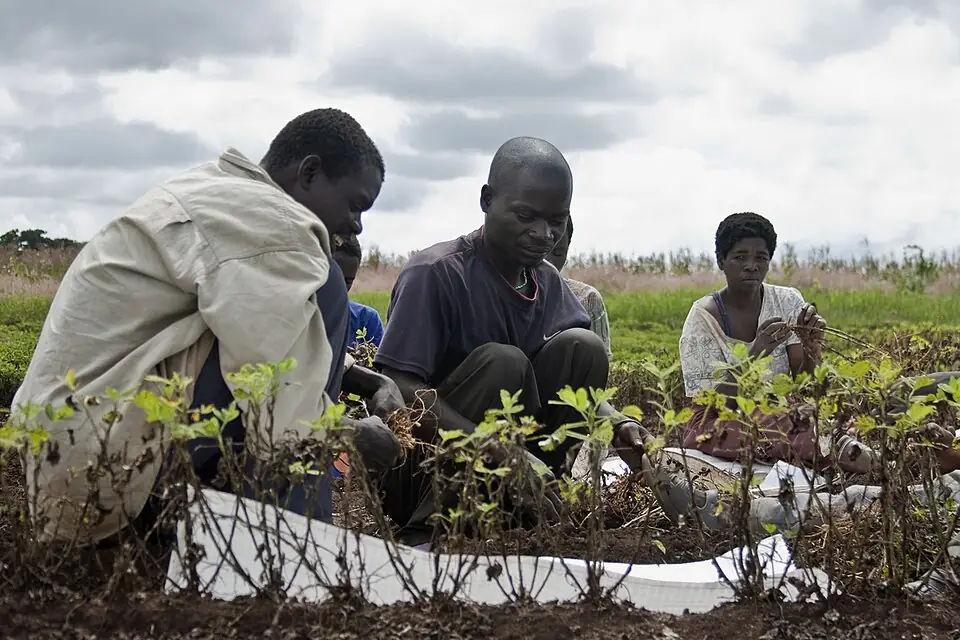
Legumes & oilseeds
Important for nutrition, soil health and income diversification, including beans, groundnuts and soya.
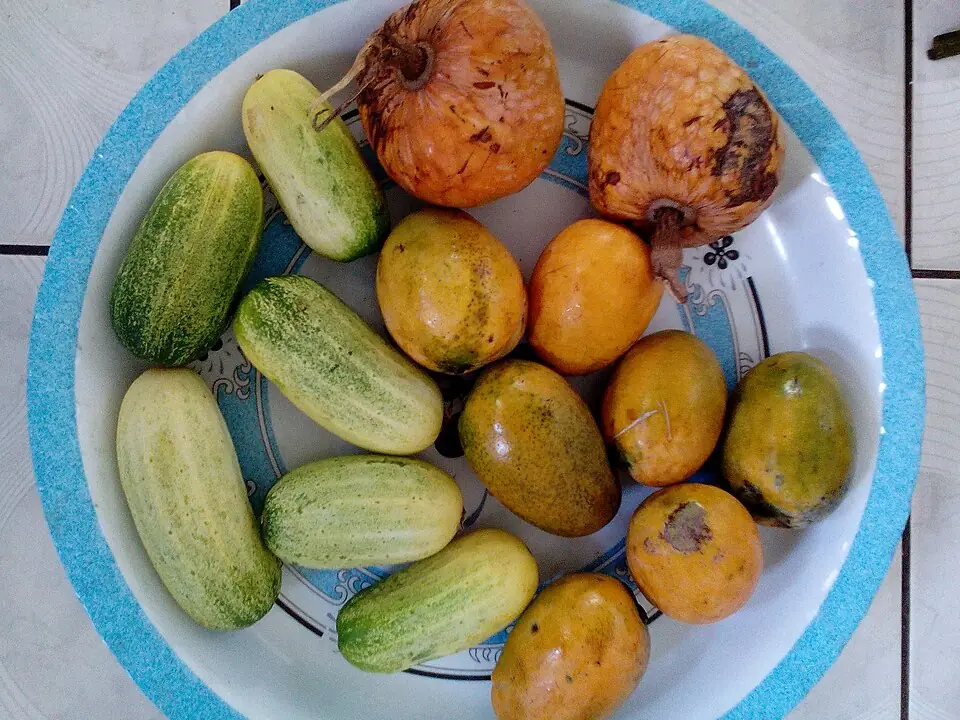
Fruit & vegetables
A growing area of production that supports better diets, local markets and value addition.
Share of Malawi’s total exports
| Product | Share of exports |
|---|---|
| ProductTobacco | Share of exports68.8% |
| ProductPulses | Share of exports15.4% |
| ProductGroundnuts | Share of exports3.7% |
| ProductTea | Share of exports2.7% |
| ProductSugar | Share of exports0.9% |
| ProductMacadamia nuts | Share of exports0.7% |
Major crops and agricultural exports
The FAO’s Malawi factsheet lists maize (grown throughout the country), rice, wheat, cassava, sorghum, pulses and groundnuts among the main food crops, and tobacco and cotton among the main cash crops. It names tobacco as the country’s main cash crop and says Malawi exports tobacco, tea, sugar, cotton and coffee.
Where export earnings come from
The National Statistical Office Statistical Year Book 2023, as reported by Nation Online (16 October 2024), gave these shares of Malawi’s total exports: tobacco 68.8%, pulses 15.4%, groundnuts 3.7%, tea 2.7%, sugar 0.9% and macadamia nuts 0.7%. The report does not say which year the shares refer to, and we have not read the Year Book itself.
Photo credits
- Photo: Loes van der Pluijm (resized and converted to WebP), CC BY-SA 4.0 · CC BY-SA 4.0 licence · cropped for display
- Photo: Papphase (resized and converted to WebP), Public domain · cropped for display
- Photo: Swathi Sridharan (resized and converted to WebP), CC BY-SA 2.0 · CC BY-SA 2.0 licence · cropped for display
- Photo: Michaelphoya (resized and converted to WebP), CC BY-SA 4.0 · CC BY-SA 4.0 licence · cropped for display


