
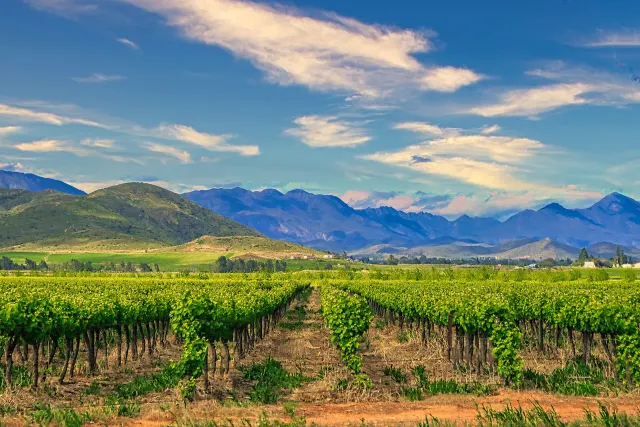
Countries / South Africa
 South Africa
Agriculture. Opportunity. Biologicals.
 RegulatorRegistrar of Act 36 of 1947
 Key legislationAct 36 of 1947 and 3 more
South Africa and its agriculture
South Africa shares borders with Namibia, Botswana, Zimbabwe, Mozambique and Eswatini, and Lesotho is entirely surrounded by South African territory. Cape Town is the legislative capital and houses Parliament. South Africa is a member state of SADC, the Southern African Development Community.
Crops
The Yearbook calls maize the most important grain crop, both the major feed grain and the staple food of most South Africans. Sorghum, wheat, sugar cane, soya beans, cotton and fruit such as apples, table grapes and citrus are also described. See Crops and markets.
Climate
South Africa is relatively dry, with average annual rainfall of about 500 millimetres; the Western Cape gets most of its rain in winter and the rest of the country generally in summer. See Climate.
Why it matters for biologicals
The Alliance’s view: South Africa should have a locally owned biologicals industry that keeps knowledge, manufacturing and value in African hands. This is the Alliance’s own aim, not an existing government commitment.
Major crops and farming regions
Maize and sorghum
The Yearbook describes maize as the main feed grain and a staple food, and records sorghum production in several provinces.
Wheat
Wheat is planted in winter- and summer-rainfall areas; the Western Cape has the largest planted area.
Sugar cane and soya beans
Sugar cane is important in KwaZulu-Natal and Mpumalanga; soya beans are produced mainly in Mpumalanga, the Free State and KwaZulu-Natal.
Fruit
The Yearbook describes deciduous fruit such as apples and table grapes, and citrus including oranges, soft citrus and grapefruit.
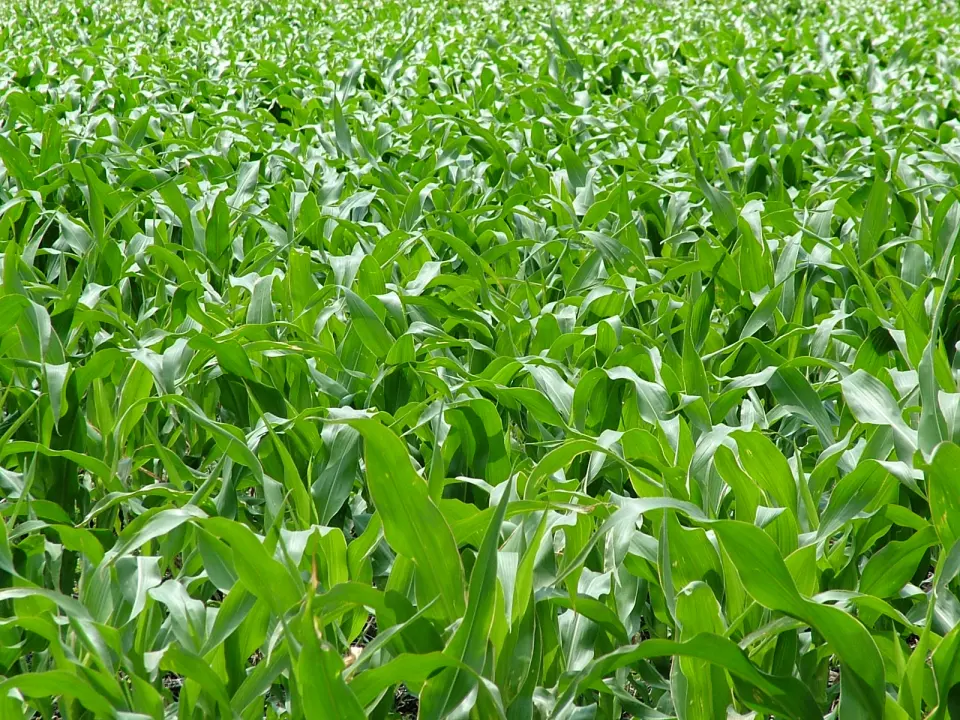
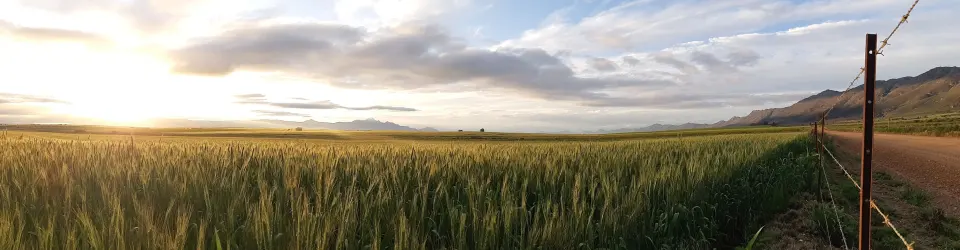
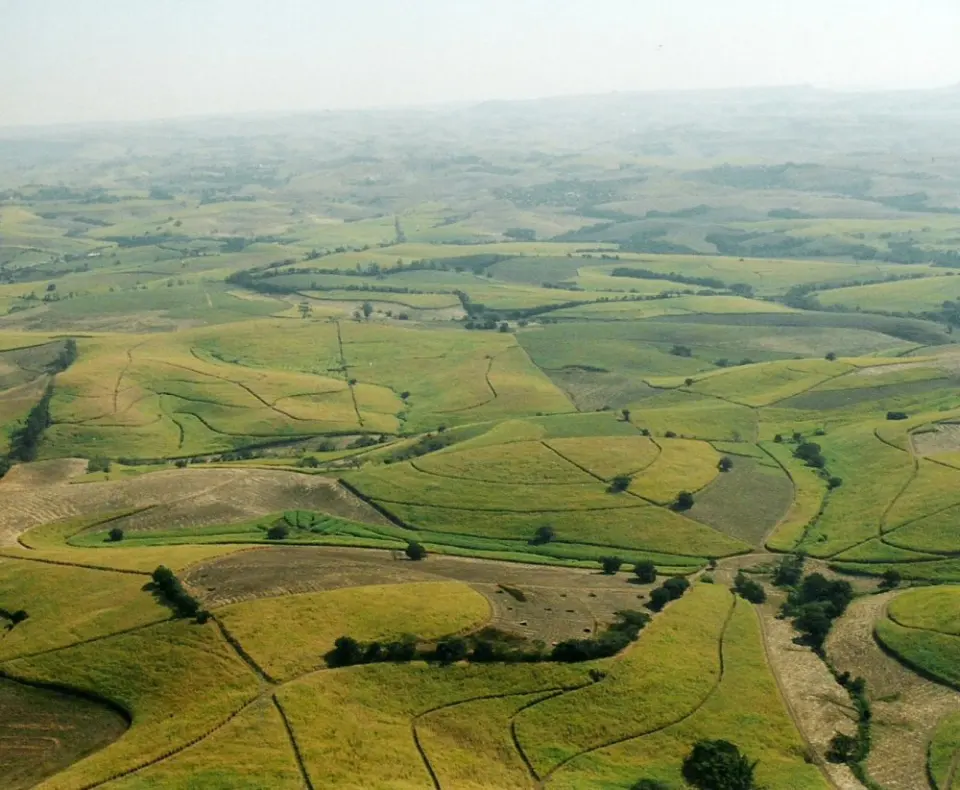
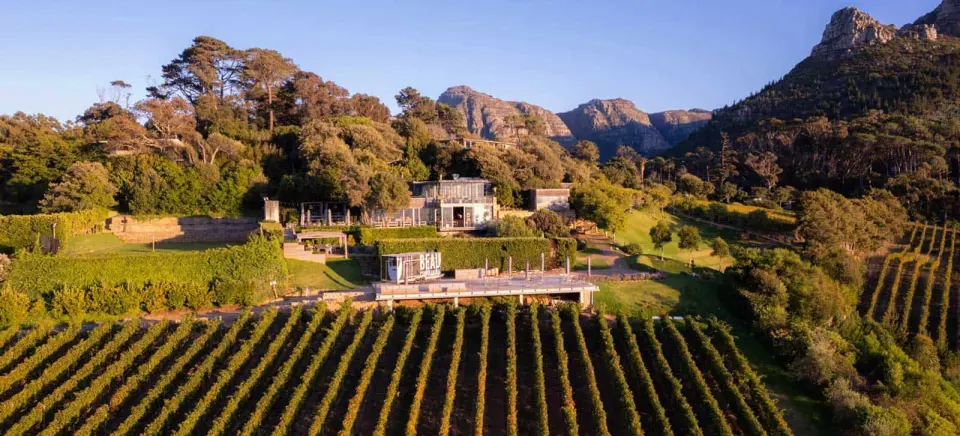
Government of South Africa, South Africa Yearbook · 2021/22
Climate and seasonal outlook
Western Cape
Most rain falls in winter.
Other regions
Most of the country generally receives rain in summer; local conditions vary.
Government of South Africa, South Africa Yearbook · 2021/22
Where registrations get held up.
Act 36 of 1947 decides whether a biological product can be sold. For independent makers, registration is the hard part: slow, and hard to predict.
Information, not legal advice. Regulators keep full authority.How registration works
Illustrative demonstration
Explore the Registration Tracker
See how the Tracker could show registration progress. The demonstration uses invented figures for an imaginary country. None of its numbers are findings about this country.
Explore the Tracker demonstrationWork under way
Membership opens in February 2027, and the work has begun. ABA is putting down roots here, with founding members helping decide how it will run, from who can join to how registrations are tracked.
We are getting to know the regulator, the department and other sector bodies, so independent makers are heard where the rules are made. And when a founding member's registration is stuck, we work through it with them, so the delay becomes evidence.
Guides, forms and regulations.
See all resourcesA biological is treated as a remedy or a fertilizer depending on its label claims. See how the two routes differ
ABA guides


Official documents
Photo credits
Photo: Axel Bührmann, CC BY 4.0, via Wikimedia Commons

- Photo: Lotus Head (resized and converted to WebP), CC BY-SA 3.0 · CC BY-SA 3.0 licence · cropped for display
- Photo: Discott (resized and converted to WebP), CC BY-SA 4.0 · CC BY-SA 4.0 licence · cropped for display
- Photo: Fluglotse2000 / Africaspotter (resized and converted to WebP), CC BY-SA 3.0 · CC BY-SA 3.0 licence · cropped for display
- Photo: Beau Constantia wine estate (resized and converted to WebP), CC BY-SA 4.0 · CC BY-SA 4.0 licence · cropped for display


