
Countries / Tanzania
 Tanzania
Agriculture. Opportunity. Biologicals.
A homegrown biologicals industry producing safe, effective and affordable products for local farming systems, built on research, skills and regional cooperation.
Tanzania and its agriculture
The United Republic of Tanzania is a partner state of the East African Community and a member state of SADC, the Southern African Development Community.
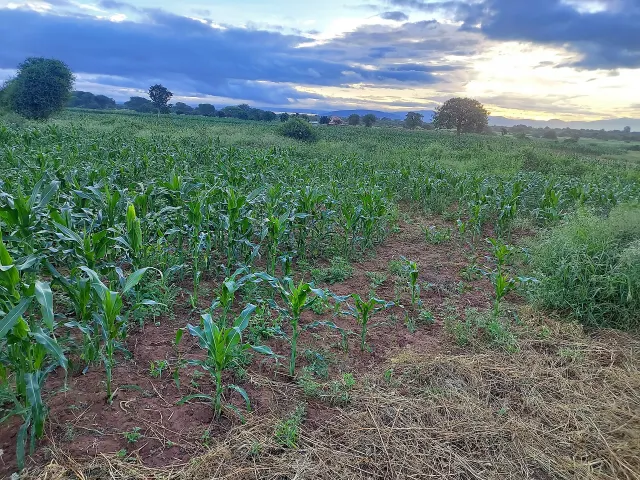
The Ministry of Agriculture’s 2023/2024 annual report says more than 80 percent of farmers practise small-scale farming on less than five hectares, producing food and cash crops including maize, rice, coffee, sugarcane and cotton, largely dependent on natural rains. Large-scale commercial farming is a minority, mostly in non-food cash crops such as sisal, tea, coffee and flowers, with some large farms for paddy, maize, wheat and barley.
Crops
The report names maize, rice, pulses, banana and cassava as the major food crops consumed, and cashew nuts, coffee, tea and tobacco among the traditional cash crops. See Crops and markets.
Priorities
The report describes widening the Southern Agricultural Growth Corridor of Tanzania into growth corridors across the country, with the Lake Zone, Northern and Mtwara corridors proposed. See Priorities.
Why it matters for biologicals
The Alliance’s view: a credible market strategy starts with a defined crop, farmer problem and buyer requirement, and local production needs quality control, viable shelf life, appropriate storage and dependable distribution. These are opportunities, not approved products or promised results.
- 24.3%Share of Mainland GDP in 2025Ministry of Finance, Economic Survey 2025 · Agriculture, forestry and fishing; current prices, revised 2019-base accounts
- 5.5%Agricultural growth in 2025Ministry of Finance, Economic Survey 2025 · Agriculture, forestry and fishing
- 25.2 million tonnesEstimated food-crop output in 2025/26Bank of Tanzania, Zonal Economic Performance Report, June 2026 · A crop-season estimate, not a calendar-year GDP measure
Major crops and agricultural exports
Maize and food crops
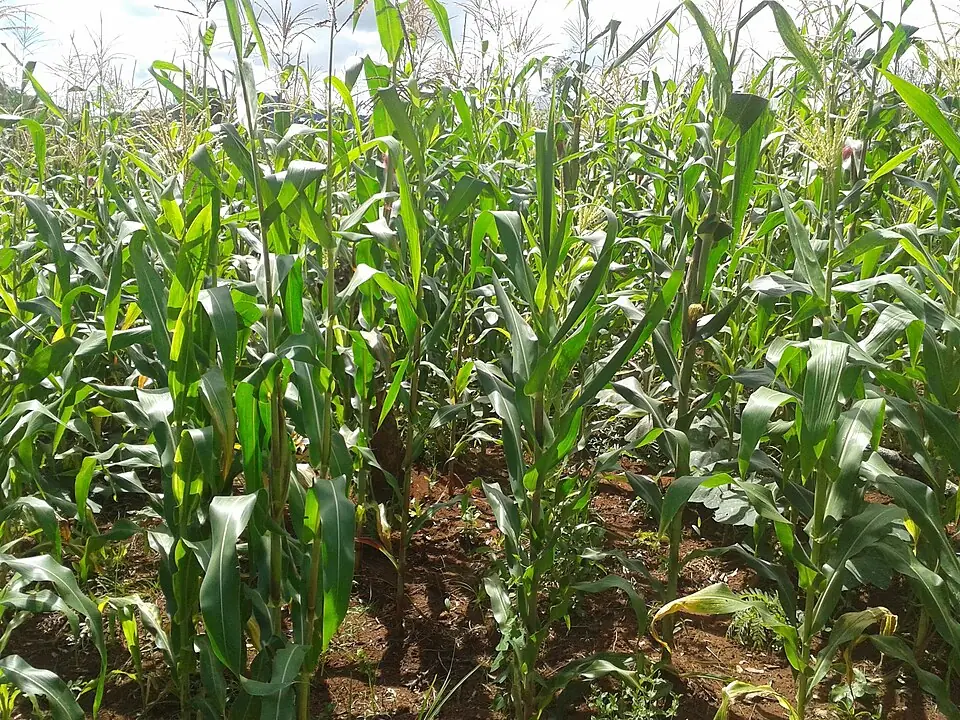
Maize is a principal staple and commercial food crop. Rice, cassava, bananas, beans, sorghum, millet, wheat, sweet potatoes and Irish potatoes also contribute to diets, household incomes and food markets.
Coffee, cashews and other established cash crops
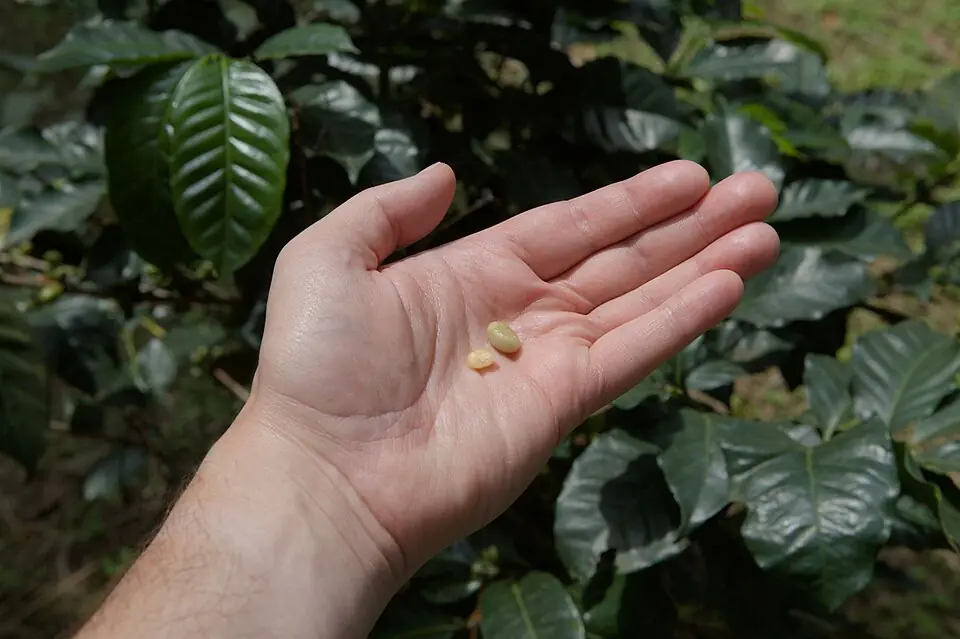
Coffee and cashew nuts are major export crops, alongside tobacco, cotton, tea and sisal. Sugarcane supplies an important processing industry. Cloves are particularly associated with Zanzibar.
Pulses and oilseeds
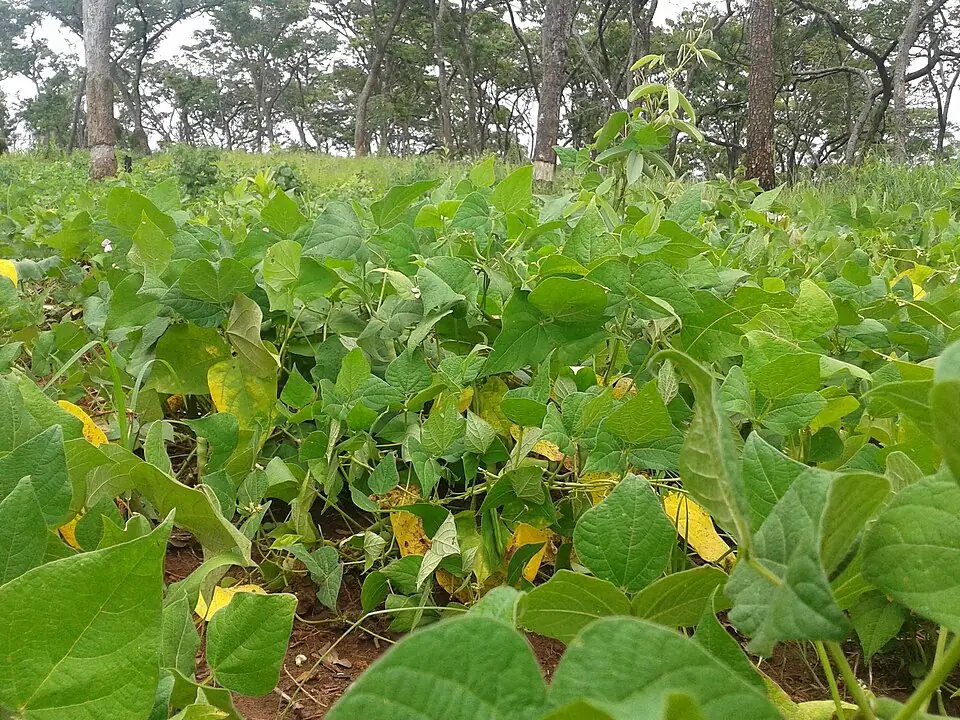
Beans, pigeon peas, groundnuts, sunflower, sesame and soybeans connect food and feed markets with edible-oil processing and exports.
Fruit, vegetables, flowers and spices
Avocado, other fruit, vegetables, flowers and spices offer opportunities for differentiated markets and processing. Their commercial success depends on quality, handling and reliable market access as well as production.
Bank of Tanzania zonal report; World Bank; Statistical Abstract 2025
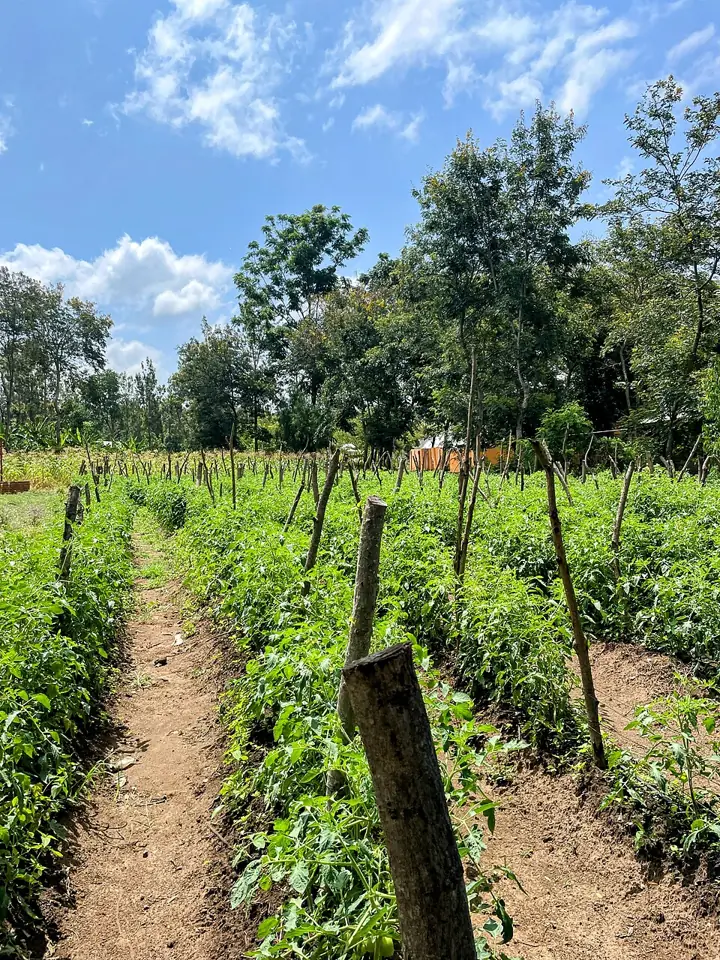
Growing regions at a glance
| Region | Examples of agricultural value chains |
|---|---|
| RegionNorthern highlands and Tanga | Examples of agricultural value chainsCoffee, horticulture, maize, beans, sisal and tea |
| RegionSouthern Highlands | Examples of agricultural value chainsMaize, rice, beans, coffee, tea, avocado, cocoa and pyrethrum |
| RegionLake Zone | Examples of agricultural value chainsMaize, rice, cassava, bananas, beans, coffee, cotton and tobacco |
| RegionSoutheastern zone | Examples of agricultural value chainsCashews and sesame alongside maize, rice, cassava, coffee and tobacco |
| RegionZanzibar | Examples of agricultural value chainsCloves and other spice value chains |
Agricultural exports, selected categories (current US dollars, calendar years)
| Export category | 2024 US$ million | 2025 US$ million |
|---|---|---|
| Export categoryTobacco | 2024 US$ million509.5 | 2025 US$ million561.1 |
| Export categoryHorticultural products | 2024 US$ million507.0 | 2025 US$ million443.6 |
| Export categoryCashew nuts | 2024 US$ million541.7 | 2025 US$ million398.8 |
| Export categoryCoffee | 2024 US$ million292.9 | 2025 US$ million361.3 |
| Export categoryCotton | 2024 US$ million69.3 | 2025 US$ million99.1 |
| Export categorySisal | 2024 US$ million23.4 | 2025 US$ million34.5 |
| Export categoryCloves | 2024 US$ million17.1 | 2025 US$ million22.5 |
| Export categoryTea | 2024 US$ million19.4 | 2025 US$ million14.5 |
Ministry of Finance, Economic Survey 2025 · Calendar years 2024 and 2025
National priorities and framework
Fourth Five-Year Development Plan, 2026/27 to 2030/31
Irrigation and local processing
The National Irrigation and Agro-Industrial Transformation programme proposes basin-based irrigation and processing investment, including the Rufiji, Mara and Songwe basins. Its proposed coverage of more than 420,000 hectares is a programme ambition, not a report of completed irrigation.
National Planning Commission, Fourth Five Year Development Plan
Ecological organic agriculture
The National Ecological Organic Agriculture Strategy 2023–2030 addresses livelihoods, health, soils, biodiversity and market development. It supports a broader agenda for ecological production and responsible biological-input development, alongside product-specific registration requirements.
National Ecological Organic Agriculture Strategy 2023 to 2030 (FAO)
Youth and agribusiness
The Ministry of Agriculture continues to position Building a Better Tomorrow (BBT) as a route for young people into agricultural enterprise. Its December 2025 review stressed coordination and delivery of tangible results.
- Real growth of the agricultural sector: 10%
- Annual agricultural export value: US$5 billion
- Agriculture’s share of merchandise export earnings: 30%
- Post-harvest losses: 10%
- Agricultural credit as a share of total credit: 20%
National Planning Commission, Fourth Five Year Development Plan 2026/27 to 2030/31, Table 3.4 · Targets for 2030/31
Climate and seasonal outlook
Vuli and Masika: two rainy seasons
Northern and eastern areas with two main rainy seasons use Vuli, generally October to December, and Masika, generally March to May.
Msimu: one main season
Much of the west, centre and south has one main Msimu season, broadly November to April. Highlands, lowland coast and drier interior areas should not be treated as one growing environment.
Current seasonal watch, Msimu outlook for November 2026 to April 2027: the Tanzania Meteorological Authority’s outlook favours above-normal to normal rainfall across many western, central and southwestern areas, and normal to above-normal rainfall in Ruvuma, Mtwara and Lindi. Rainfall is expected to be stronger during November to January than February to April, with flooding and waterlogging among the risks. The outlook is probabilistic, not a guarantee for each district or farm.
Country context
| Country fact | Detail |
|---|---|
| Country factOfficial name | DetailUnited Republic of Tanzania |
| Country factCapital and commercial centre | DetailDodoma; Dar es Salaam is the principal commercial gateway |
| Country factCurrency | DetailTanzanian shilling, TZS |
| Country factMain languages | DetailKiswahili and English |
| Country factRegional communities | DetailEast African Community and SADC |
| Country factGeographical setting | DetailIndian Ocean coast, inland plateaux, highlands and Great Lakes; includes Zanzibar |
Tanzania Meteorological Authority, Msimu outlook · Valid November 2026 to April 2027
Regulation and resources
Biopesticides and biological controlTPHPA registration and biological-control requirements.
The Tanzania Plant Health and Pesticides Authority, TPHPA, operates under the Plant Health Act 2020. The Plant Health Regulations 2023 recognise synthetic pesticides, biopesticides and biological control agents as categories. Part VIII sets out controls for native and non-native biological control agents, including dossiers, bio-efficacy assessment and import or release arrangements. For new biological control agents, regulation 10(12) specifies trials over three seasons; label-extension trials are specified for one season at two sites. Applicants should confirm the applicable category, protocol and requirements with TPHPA before planning a submission.
Plant Health Act 2020Plant Health Regulations 2023 (GN 284)Biofertilisers and soil inputsTFRA Fertilizers Regulations 2026.
The Fertilizers Regulations 2026, published as GN 68 on 20 February 2026, explicitly define biofertilisers containing living microorganisms. The Tanzania Fertilizer Regulatory Authority, TFRA, oversees the fertiliser and supplement registration route. Applications include technical information, samples and proposed labels. For new fertilisers and supplements, regulation 4 specifies laboratory and field testing over one cropping season in at least two agroecological zones. Repetition may be required, and the regulations provide defined exceptions for certain nutrient products and blends.
Fertilizers Regulations 2026 (GN 68)Zanzibar requirementsCheck the separate island procedures.
Zanzibar’s official import procedures identify its own plant-protection administration. Confirm the relevant island requirements as well as Mainland requirements when planning supply. Regional cooperation supports trade, while registration and permits remain matters for the responsible authorities.
Tanzania Trade Portal, Zanzibar plant import procedurePlant Health Act 2020 (applies to Mainland Tanzania)Official guidanceGo to the authorities’ current texts; ABA is not a registration authority.
Use the official current forms, registers and guidance. The source set includes the 2024 Plant Health amendment, GN 929, which includes fee-schedule changes; confirm current payable fees directly with TPHPA. ABA can connect sector participants; it is not a registration authority.
Plant Health Act 2020Plant Health Regulations 2023 (GN 284)Plant Health (Amendment) Regulations 2024 (GN 929)Fertilizers Regulations 2026 (GN 68)Tanzania Trade Portal, Zanzibar plant import procedurePhoto credits
Photo: Ramadhani Mushi, CC BY 4.0, via Wikimedia Commons

- Photo: Evancez (resized and converted to WebP), CC BY-SA 4.0 · CC BY-SA 4.0 licence · cropped for display
- Photo: Harald Ulver (resized and converted to WebP), CC BY-SA 4.0 · CC BY-SA 4.0 licence · cropped for display
- Photo: Evancez (resized and converted to WebP), CC BY-SA 4.0 · CC BY-SA 4.0 licence · cropped for display
- Photo: AmyAbroad (resized and converted to WebP), CC BY-SA 4.0 · CC BY-SA 4.0 licence · cropped for display


