
Countries / Tanzania
 Tanzania: Crops and markets
- 24.3%Share of Mainland GDP in 2025Ministry of Finance, Economic Survey 2025 · Agriculture, forestry and fishing; current prices, revised 2019-base accounts
- 5.5%Agricultural growth in 2025Ministry of Finance, Economic Survey 2025 · Agriculture, forestry and fishing
- 25.2 million tonnesEstimated food-crop output in 2025/26Bank of Tanzania, Zonal Economic Performance Report, June 2026 · A crop-season estimate, not a calendar-year GDP measure
Major crops and agricultural exports
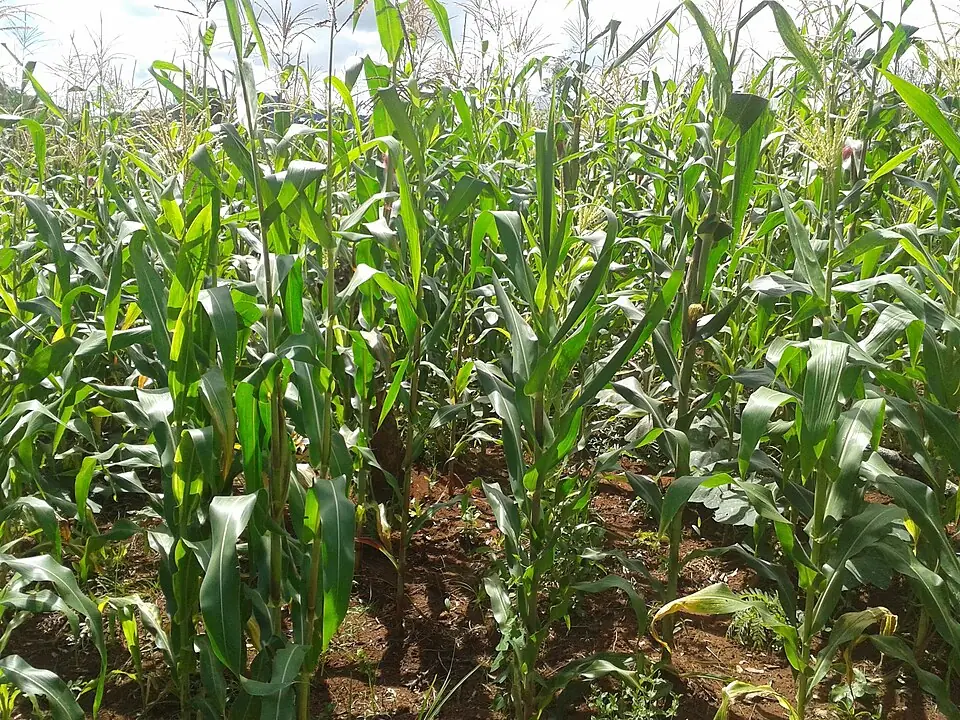
Maize and food crops
Maize is a principal staple and commercial food crop. Rice, cassava, bananas, beans, sorghum, millet, wheat, sweet potatoes and Irish potatoes also contribute to diets, household incomes and food markets.
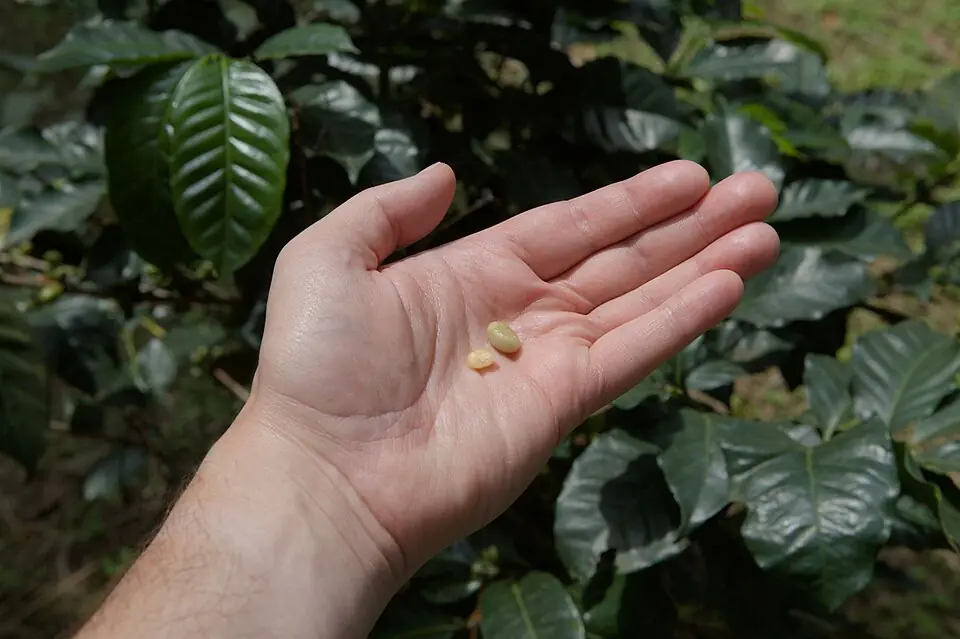
Coffee, cashews and other established cash crops
Coffee and cashew nuts are major export crops, alongside tobacco, cotton, tea and sisal. Sugarcane supplies an important processing industry. Cloves are particularly associated with Zanzibar.
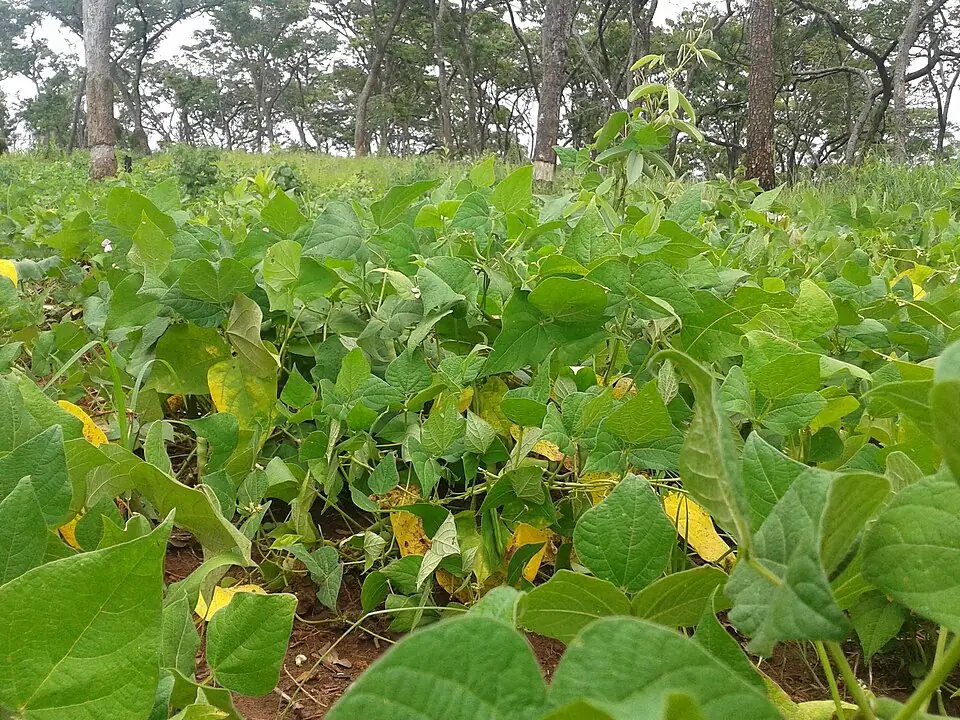
Pulses and oilseeds
Beans, pigeon peas, groundnuts, sunflower, sesame and soybeans connect food and feed markets with edible-oil processing and exports.
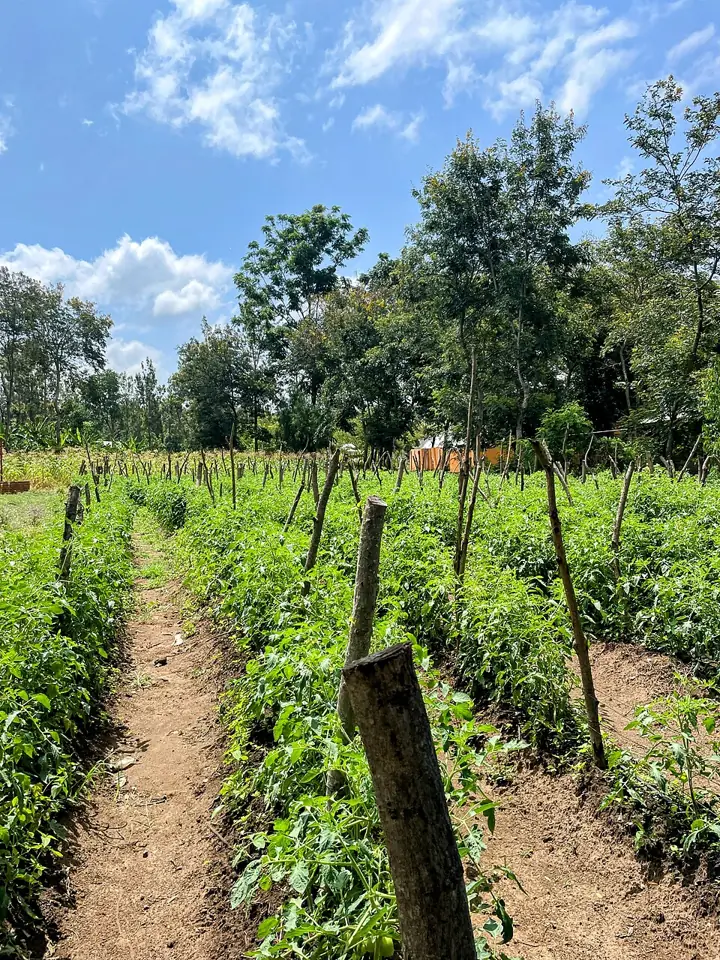
Fruit, vegetables, flowers and spices
Avocado, other fruit, vegetables, flowers and spices offer opportunities for differentiated markets and processing. Their commercial success depends on quality, handling and reliable market access as well as production.
Bank of Tanzania zonal report; World Bank; Statistical Abstract 2025
Growing regions at a glance
| Region | Examples of agricultural value chains |
|---|---|
| RegionNorthern highlands and Tanga | Examples of agricultural value chainsCoffee, horticulture, maize, beans, sisal and tea |
| RegionSouthern Highlands | Examples of agricultural value chainsMaize, rice, beans, coffee, tea, avocado, cocoa and pyrethrum |
| RegionLake Zone | Examples of agricultural value chainsMaize, rice, cassava, bananas, beans, coffee, cotton and tobacco |
| RegionSoutheastern zone | Examples of agricultural value chainsCashews and sesame alongside maize, rice, cassava, coffee and tobacco |
| RegionZanzibar | Examples of agricultural value chainsCloves and other spice value chains |
Agricultural exports, selected categories (current US dollars, calendar years)
| Export category | 2024 US$ million | 2025 US$ million |
|---|---|---|
| Export categoryTobacco | 2024 US$ million509.5 | 2025 US$ million561.1 |
| Export categoryHorticultural products | 2024 US$ million507.0 | 2025 US$ million443.6 |
| Export categoryCashew nuts | 2024 US$ million541.7 | 2025 US$ million398.8 |
| Export categoryCoffee | 2024 US$ million292.9 | 2025 US$ million361.3 |
| Export categoryCotton | 2024 US$ million69.3 | 2025 US$ million99.1 |
| Export categorySisal | 2024 US$ million23.4 | 2025 US$ million34.5 |
| Export categoryCloves | 2024 US$ million17.1 | 2025 US$ million22.5 |
| Export categoryTea | 2024 US$ million19.4 | 2025 US$ million14.5 |
Ministry of Finance, Economic Survey 2025 · Calendar years 2024 and 2025
Major crops and production regions
The Ministry of Agriculture’s 2023/2024 annual report names maize, rice, pulses, banana and cassava as the major food crops consumed in the country, and cashew nuts, coffee, tea and tobacco among the traditional cash crops.
Where crops are grown
- Northern regions (Manyara, Arusha, Kilimanjaro and Tanga): volcanic-ash highland soils are most suitable for coffee, bananas and tea; sandy coastal soils in Tanga support maize, cassava, coconut, cashew nut and sisal.
- Southern Highlands (Iringa, Njombe, Mbeya, Songwe, Rukwa and Katavi): main crops include coffee, tea, round potatoes, bananas, beans, vegetables, flowers, wheat, barley, maize, paddy and sunflower, and tobacco and cocoa as cash crops.
- Eastern zone (Dar es Salaam, Pwani and Morogoro): cassava, paddy, coconut, some fruits and sisal; Morogoro also supports sugarcane, bananas, vegetables, tea, cotton and maize.
The report calls the SAGCOT regions, apart from Dar es Salaam, the food basket for Tanzania because they produce a surplus of cereals (maize and rice), tubers (mostly Irish potatoes) and processed sugar.
These are examples from the report’s tables, not exclusive boundaries.
Photo credits
- Photo: Evancez (resized and converted to WebP), CC BY-SA 4.0 · CC BY-SA 4.0 licence · cropped for display
- Photo: Harald Ulver (resized and converted to WebP), CC BY-SA 4.0 · CC BY-SA 4.0 licence · cropped for display
- Photo: Evancez (resized and converted to WebP), CC BY-SA 4.0 · CC BY-SA 4.0 licence · cropped for display
- Photo: AmyAbroad (resized and converted to WebP), CC BY-SA 4.0 · CC BY-SA 4.0 licence · cropped for display


