
Countries / Zimbabwe
 Zimbabwe
Agriculture. Opportunity. Biologicals.
Farmers trained to become experts in biologicals, so that early regulatory support is matched by practical know-how.
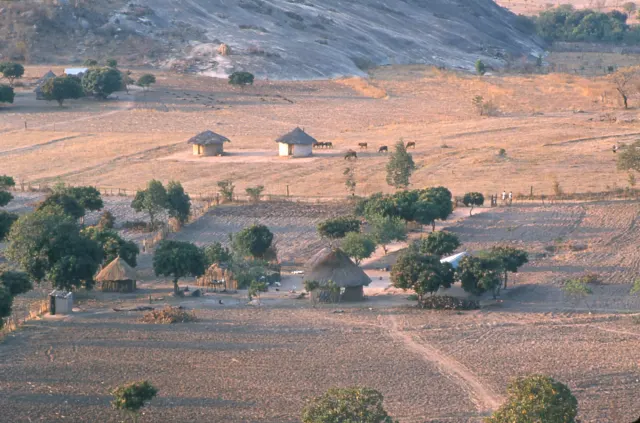
Zimbabwe and its agriculture
Zimbabwe is a member state of SADC, the Southern African Development Community. Its farming is organised by five natural regions defined mainly by rainfall, described on the Crops and Climate pages.
Farming regions
The FAO describes intensive farming of maize, tobacco, cotton and livestock in Region II, and diversified farming and dairy with coffee, tea, fruit and vegetables in the high-rainfall east (Region I). Drier Regions IV and V suit livestock, drought-tolerant crops and extensive ranching. See Crops and markets.
Rainfall
Rainfall falls from more than 1,000 mm a year in the east to 450 to 650 mm in Region IV, with frequent droughts. See Climate.
Why it matters for biologicals
The Alliance’s view: products and advisory programmes need to work within the farmer’s water supply, soil condition, cashflow and market, so local trials should test the intended crop and production system. These are opportunities, not approved products or promised results.
- 11.1%Agriculture’s share of GDP in 2025ZIMSTAT annual GDP figures, June 2026 release, revised 2025 base year. “Agriculture” is the official industry label. · 2025
- 27.9%Agricultural growth in 2025ZIMSTAT annual GDP figures, June 2026 release · 2025
- 2.35 million tonnesMaize production estimate for 2025/26Cabinet Second Round Crop Assessment, April 2026. A crop-season estimate, not a GDP measure or a forecast of the 2026/27 harvest. · 2025/26
Major crops and agricultural exports
Maize, wheat and traditional grains
Maize anchors the food and stockfeed economy. Irrigated winter wheat is an important commercial crop, while sorghum, pearl millet and finger millet are relevant to food security and diversification in drier farming areas.
Tobacco, cotton, sugarcane and plantation crops
Tobacco is a major commercial and export crop. Cotton supplies the fibre value chain, sugarcane supports Lowveld processing, and tea and coffee form part of the Eastern Highlands crop economy.
Soybeans, groundnuts and other oilseeds
Soybeans link crop farming to edible-oil and animal-feed demand. Groundnuts, sunflower and sesame broaden the food and oilseed mix. The 2026 investment portfolio identifies soybeans as a priority for improving domestic supply and processing capacity.
National Development Strategy 2; FAO Zimbabwe investment portfolio briefing
Fruit, vegetables, nuts and flowers
Blueberries, citrus, avocados, macadamia nuts, peas and cut flowers are among the export-oriented value chains. Vegetables and fruit also serve domestic markets. Harvest timing, crop quality, cold-chain performance and buyer requirements influence returns.
Horticultural Development Council; National Development Strategy 2
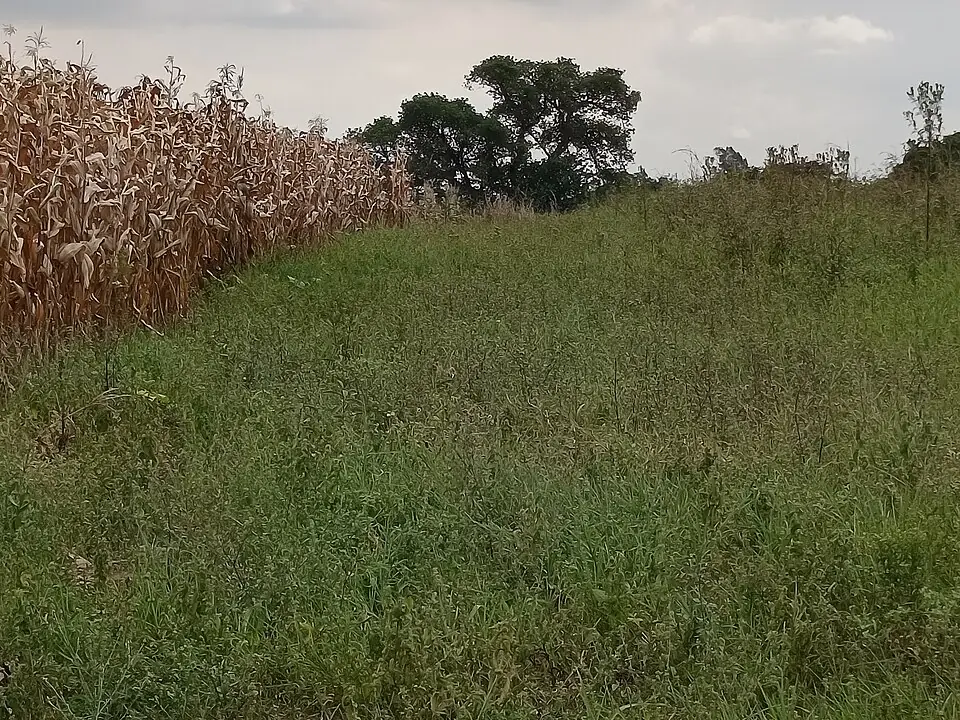
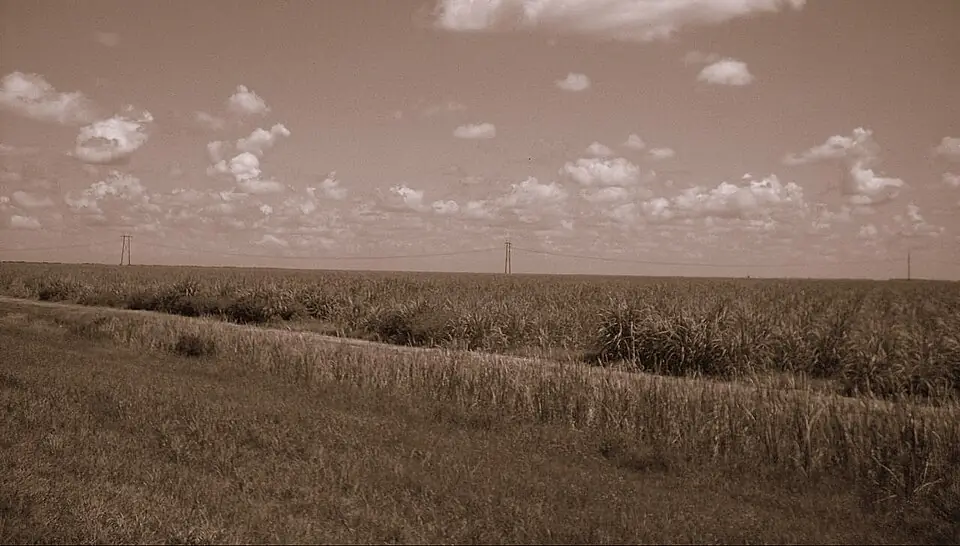
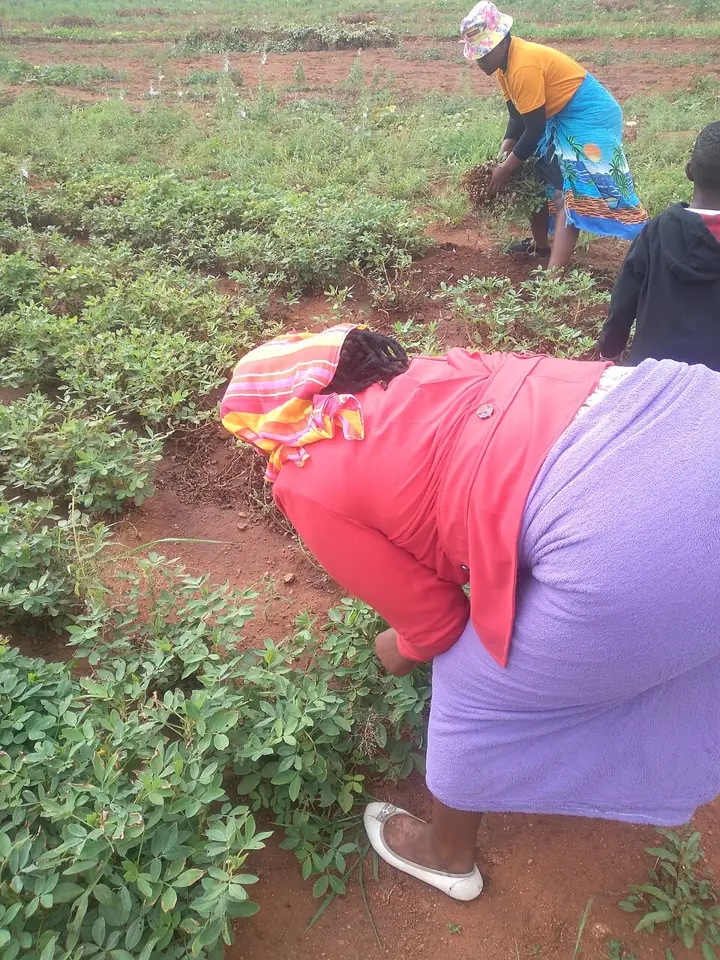
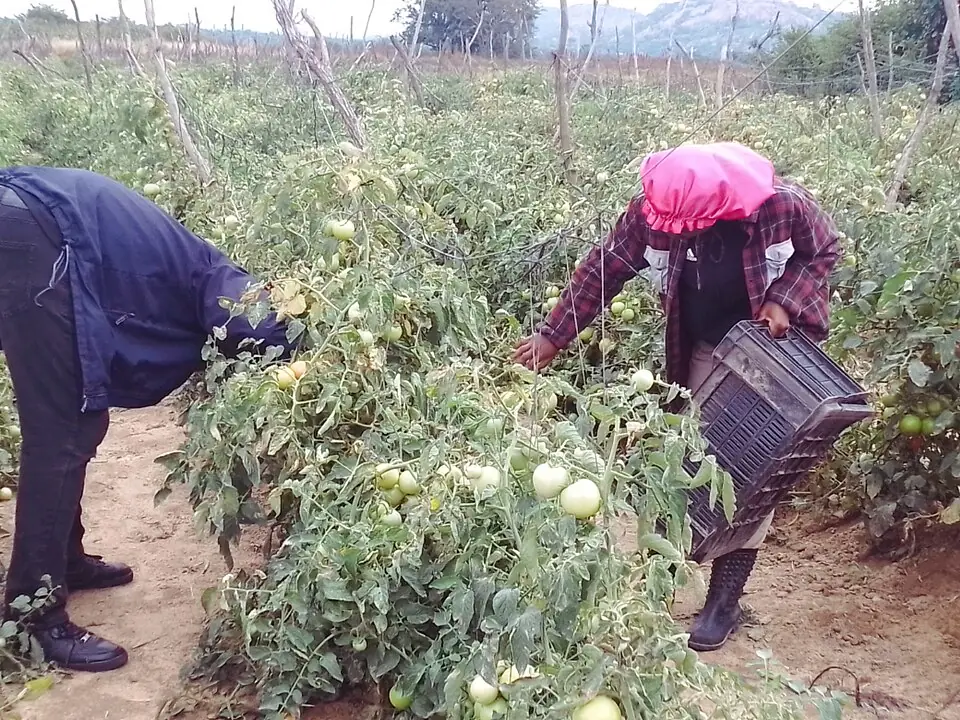
Regional examples: broad, not exclusive crop boundaries (Hand-in-Hand Investment Plan 2026)
| Farming area | Example value chains |
|---|---|
| Farming areaMashonaland and the Highveld | Example value chainsMaize, wheat, tobacco, soybeans and commercial horticulture |
| Farming areaEastern Highlands and Manicaland | Example value chainsTea, coffee, fruit, macadamia and other horticulture |
| Farming areaLowveld and southern irrigated areas | Example value chainsSugarcane, citrus and irrigated crop production |
| Farming areaDrier southern and western areas | Example value chainsTraditional grains, livestock and locally adapted mixed farming |
Tobacco marketed at Day 127 (22 September): grower sales, not customs export receipts (Zimbabwe Tobacco Association, 9 October 2026)
| Marketing indicator | 2025 comparison | 2026 position |
|---|---|---|
| Marketing indicatorTobacco marketed | 2025 comparison354.86 million kg | 2026 position359.10 million kg |
| Marketing indicatorValue of tobacco sales | 2025 comparisonUS$1.178 billion | 2026 positionUS$894.40 million |
| Marketing indicatorOverall average price | 2025 comparisonUS$3.32/kg | 2026 positionUS$2.49/kg |
Blueberry exports (Horticultural Development Council chief executive, June 2026)
| Year | Volume | Basis |
|---|---|---|
| Year2025 | VolumeApproximately 9,500 tonnes | Basis2025 actual exports |
| Year2026 | Volume12,000 tonnes | Basis2026 projection, not a confirmed full-season result |
National priorities and framework
Current framework: National Development Strategy 2, January 2026 to December 2030
Irrigation and water security
Connect reliable water to productive farming. The portfolio links irrigation with processing, cold chains, fisheries, energy and rural businesses.
Soil health and farmer expertise
Build local evidence, advice and practical skills. Priorities for soil testing, field demonstrations, extension and skills are practical entry points; the soil-management programme is developing these capabilities through 2026 to 2028.
Local processing and export quality
Protect crop value and improve market access. The national strategy’s agricultural priorities include processing and stronger commercial participation.
- Irrigated area: 496,000 hectares
- Maize: 3 million tonnes a year
- Soybeans: 291,000 tonnes a year
- Blueberries: 19,000 tonnes a year
Landlocked · SADC and COMESA
Climate and seasonal outlook
Growing conditions vary substantially
Zimbabwe spans cooler highland farming areas, the central plateau and hotter, drier lowland environments. Most rain-fed summer cropping depends on the main summer rains; winter wheat and perennial export crops bring different water and management requirements.
National Development Strategy 2; Meteorological Services Department
Current seasonal watch, October 2026 to March 2027 (Meteorological Services Department)
| Forecast period | MSD outlook |
|---|---|
| Forecast periodOctober to December 2026 | MSD outlookIncreased chance of below-normal rainfall countrywide, with an erratic onset and warmer-than-normal conditions early in the season. |
| Forecast periodJanuary to March 2027 | MSD outlookNormal to below-normal rainfall in southern and western areas; below-normal rainfall favoured across the rest of the country. |
Country context
| Country fact | Detail |
|---|---|
| Country factOfficial name and capital | DetailRepublic of Zimbabwe; Harare |
| Country factGeographical position | DetailLandlocked in Southern Africa, between the Zambezi and Limpopo |
| Country factNeighbours | DetailSouth Africa, Botswana, Zambia and Mozambique |
| Country factRegional communities | DetailSADC and COMESA |
| Country factLanguage context | DetailEnglish is used in business; Shona and Ndebele are widely spoken |
| Country factCurrency context | DetailZimbabwe Gold, commonly called ZiG, alongside foreign-currency transactions |
Meteorological Services Department, 2026/27 national outlook · October 2026 to March 2027
ABA connects sector participants. It is not a registration service; official decisions rest with the competent authorities.
Regulation and resources
Biological productsNBA: SI 160 of 2018.
The National Biotechnology Authority regulates agricultural biotechnology products under Statutory Instrument 160 of 2018. The regulations explicitly cover biofertilisers, biopesticides and biostimulants, with provisions for registration, trial release, commercial release and relevant import arrangements. Section 7 requires registration before importing, exporting, commercialising or carrying out trial release of these products. NBA’s current service guidance provides for pre-submission consultation, a dossier, product samples and laboratory review. Manufacturers should confirm the appropriate authorisation and evidence requirements for the specific product.
NBA, Statutory Instrument 160 of 2018NBA, Product registrationPesticide and fertiliser controlsConfirm applicable DRSS requirements.
The DRSS Fertilizer, Farm Feeds and Remedies function lists pesticide and fertiliser registration, permits and compliance among its responsibilities. Product composition and claims should be discussed with NBA and the relevant DRSS registration office to establish how the requirements apply together.
DRSS, Fertilizer, Farm Feeds and RemediesBiotechnology facilities: 2026 updateSI 104 of 2026: registration and utilisation permits.
SI 104 of 2026 introduces biotechnology facility registration requirements. Its scope covers facilities conducting biotechnology undertakings, unless informed otherwise. It addresses biosafety arrangements, audits and a separate permit to utilise a registered facility. Facility certificates are normally valid for one year. For a local manufacturer or research laboratory, the facility route needs attention alongside product authorisation. Confirm the facility’s classification, approved activities and current application guidance with NBA before planning operations.
NBA, Statutory Instrument 104 of 2026Biosafety Clearing House, entry into force recordOfficial guidanceCurrent NBA and DRSS guidance and the permits portal.
SADC and COMESA participation supports regional dialogue and trade. Confirm national approvals, permits and destination-market requirements for each product, using current NBA and DRSS guidance and the official agricultural permits portal. ABA’s role is to connect sector participants and support informed engagement. Official product and facility decisions rest with the competent authorities; the country connection form is not a registration-application service.
NBA, Product registrationDRSS, Fertilizer, Farm Feeds and RemediesAgricultural permits portalSADC, ZimbabweCOMESA, ZimbabwePhoto credits
Photo: Ulamm, public domain, via Wikimedia Commons

- Photo: Look4Faith (resized and converted to WebP), CC BY-SA 4.0 · CC BY-SA 4.0 licence · cropped for display
- Photo: Macvivo (resized and converted to WebP), Public domain · cropped for display
- Photo: Siphetha (resized and converted to WebP), CC0 · CC0 licence · cropped for display
- Photo: Sisnoe (resized and converted to WebP), CC BY-SA 4.0 · CC BY-SA 4.0 licence · cropped for display


