
Countries / Zimbabwe
 Zimbabwe: Crops and markets
- 11.1%Agriculture’s share of GDP in 2025ZIMSTAT annual GDP figures, June 2026 release, revised 2025 base year. “Agriculture” is the official industry label. · 2025
- 27.9%Agricultural growth in 2025ZIMSTAT annual GDP figures, June 2026 release · 2025
- 2.35 million tonnesMaize production estimate for 2025/26Cabinet Second Round Crop Assessment, April 2026. A crop-season estimate, not a GDP measure or a forecast of the 2026/27 harvest. · 2025/26
Major crops and agricultural exports
Maize, wheat and traditional grains
Maize anchors the food and stockfeed economy. Irrigated winter wheat is an important commercial crop, while sorghum, pearl millet and finger millet are relevant to food security and diversification in drier farming areas.
Tobacco, cotton, sugarcane and plantation crops
Tobacco is a major commercial and export crop. Cotton supplies the fibre value chain, sugarcane supports Lowveld processing, and tea and coffee form part of the Eastern Highlands crop economy.
Soybeans, groundnuts and other oilseeds
Soybeans link crop farming to edible-oil and animal-feed demand. Groundnuts, sunflower and sesame broaden the food and oilseed mix. The 2026 investment portfolio identifies soybeans as a priority for improving domestic supply and processing capacity.
National Development Strategy 2; FAO Zimbabwe investment portfolio briefing
Fruit, vegetables, nuts and flowers
Blueberries, citrus, avocados, macadamia nuts, peas and cut flowers are among the export-oriented value chains. Vegetables and fruit also serve domestic markets. Harvest timing, crop quality, cold-chain performance and buyer requirements influence returns.
Horticultural Development Council; National Development Strategy 2
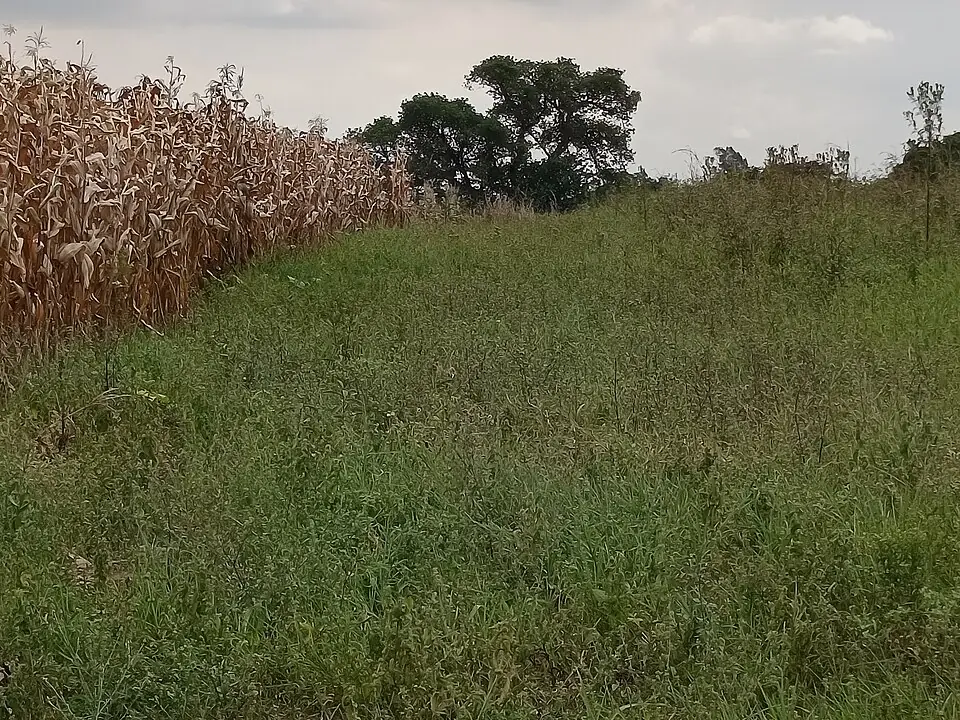
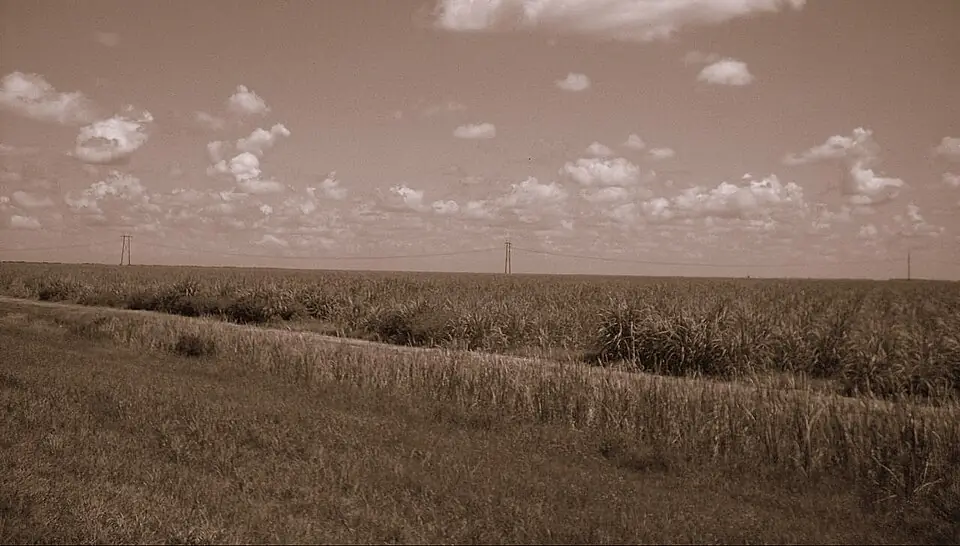
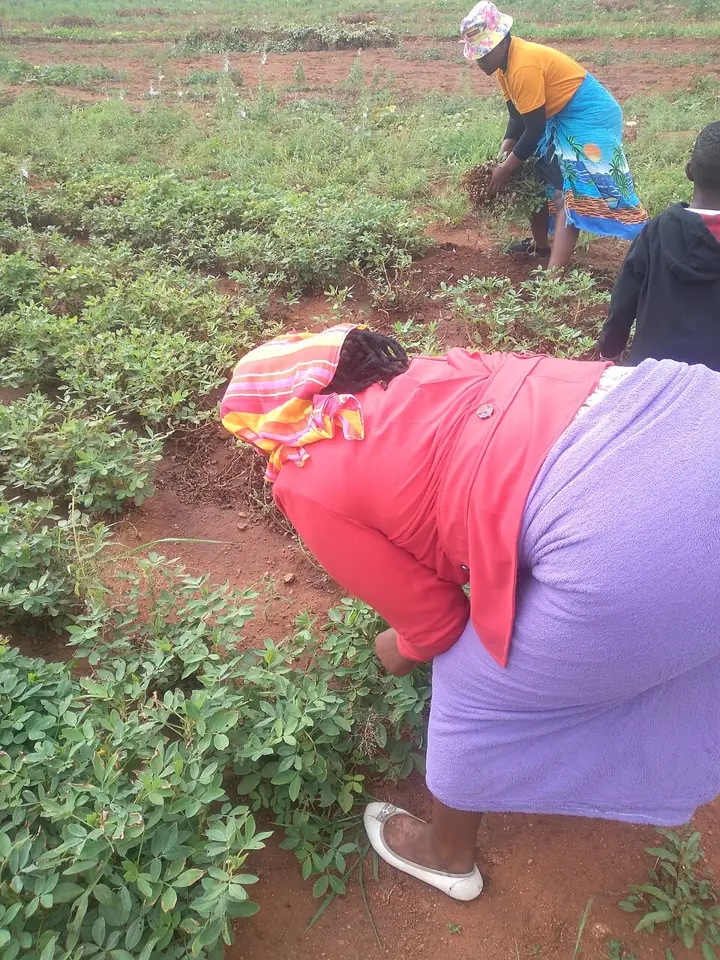
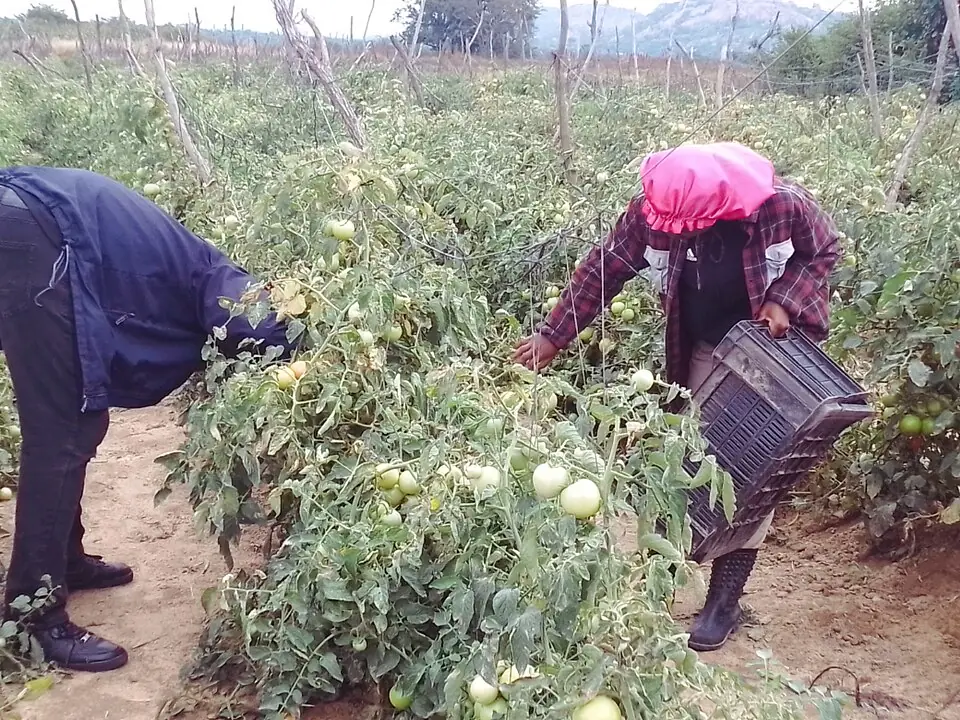
Regional examples: broad, not exclusive crop boundaries (Hand-in-Hand Investment Plan 2026)
| Farming area | Example value chains |
|---|---|
| Farming areaMashonaland and the Highveld | Example value chainsMaize, wheat, tobacco, soybeans and commercial horticulture |
| Farming areaEastern Highlands and Manicaland | Example value chainsTea, coffee, fruit, macadamia and other horticulture |
| Farming areaLowveld and southern irrigated areas | Example value chainsSugarcane, citrus and irrigated crop production |
| Farming areaDrier southern and western areas | Example value chainsTraditional grains, livestock and locally adapted mixed farming |
Tobacco marketed at Day 127 (22 September): grower sales, not customs export receipts (Zimbabwe Tobacco Association, 9 October 2026)
| Marketing indicator | 2025 comparison | 2026 position |
|---|---|---|
| Marketing indicatorTobacco marketed | 2025 comparison354.86 million kg | 2026 position359.10 million kg |
| Marketing indicatorValue of tobacco sales | 2025 comparisonUS$1.178 billion | 2026 positionUS$894.40 million |
| Marketing indicatorOverall average price | 2025 comparisonUS$3.32/kg | 2026 positionUS$2.49/kg |
Blueberry exports (Horticultural Development Council chief executive, June 2026)
| Year | Volume | Basis |
|---|---|---|
| Year2025 | VolumeApproximately 9,500 tonnes | Basis2025 actual exports |
| Year2026 | Volume12,000 tonnes | Basis2026 projection, not a confirmed full-season result |
Major crops and farming regions
The FAO describes five natural regions, each suited to different farming:
- Region I (east): diversified intensive farming and dairy; coffee, tea, fruit and vegetables.
- Region II (north-central): intensive farming based on maize, tobacco, cotton and livestock, with soybeans; wheat is grown under irrigation in the colder, drier months.
- Region III: semi-intensive farming; maize is the staple and cotton a major cash crop, with groundnuts and sunflowers also suitable.
- Region IV: farming systems based on livestock and drought-resistant fodder crops, with drought-tolerant maize, sorghum and millets.
- Region V: best suited to extensive cattle ranching and game ranching.
Photo credits
- Photo: Look4Faith (resized and converted to WebP), CC BY-SA 4.0 · CC BY-SA 4.0 licence · cropped for display
- Photo: Macvivo (resized and converted to WebP), Public domain · cropped for display
- Photo: Siphetha (resized and converted to WebP), CC0 · CC0 licence · cropped for display
- Photo: Sisnoe (resized and converted to WebP), CC BY-SA 4.0 · CC BY-SA 4.0 licence · cropped for display


